SeriesWhat happened that nightPart 1
 FilmTeleport's own work
Protecting a company with people and AI agents
An 8-minute film on how to defend in the AI era, starting from the night the PHP fix was released
Thank you for watching
Get Data is CITY news by email.
We will email you about new films and articles, classroom slides, and when we release parts of CITY as open source.
- New films, articles and classroom slides
- News when parts of CITY are released as open source
- News about new Data is CITY initiatives
You are subscribed to the newsletter
We received . We will notify this address when new films and articles are published. If the confirmation email does not arrive, please check your spam folder.
Emails are sent in Japanese. You can unsubscribe at any time. (Privacy policy)
Narration: Gaku Noguchi (Teleport) Film: Teleport Inc.
Read scene by scene
At 11 p.m. on October 21, 2026, PHP released fixes for critical vulnerabilities. Banks, online stores and games all took their services offline to update.
This film begins with the questions defenders faced that night. Where is PHP running? Who owns it? Who decides, and who needs to be told? The second half (scenes 08–12) is about CITY, a system Teleport is testing in-house. Read the narration and sources scene by scene, and watch with sound from any scene you like.
Part 1
Attacks don’t wait for people to decide
01October 21, 2026, 11 p.m.
The night the PHP fix came out, banks and online stores shut down their services
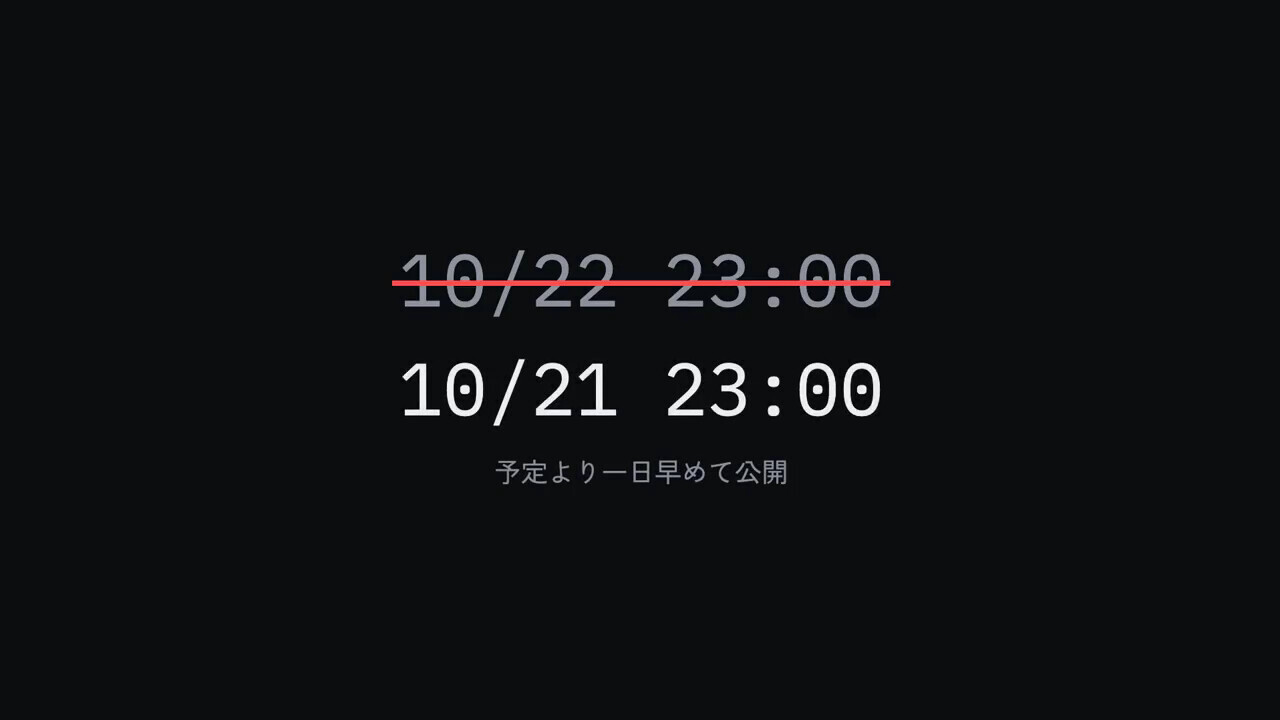
At 11 p.m. Japan time on October 21, 2026, PHP released an update fixing two critical vulnerabilities — flaws that let an attacker take over a server from outside, without authentication. The release had been moved up by a day. An hour earlier, the Prime Minister herself had posted on X: “This is a most urgent request: please take action tonight.” Banks, online stores and games all took their services offline to update.
Sources6
PHP released fixes for two critical vulnerabilities at 11 p.m. (Japan time) on October 21, 2026. They could let an attacker run code on a server from outside, without authentication
Upcoming Critical PHP Security Release / Security advisories (php.net news, 2026)PHP · October 21, 2026
The release was brought forward by one day
Today's PHP security release and how we're strengthening PHP securityThe PHP Foundation · 2026-10-21
About an hour before the fixes were released, the Prime Minister personally posted on X: “This is a most urgent request: please take action tonight.”
Post on X by Sanae Takaichi (@takaichi_sanae) (in Japanese)Sanae Takaichi · October 21, 2026
Banks temporarily suspended online banking and other services (Shizuoka Bank, for example) (news report)
Nikkei article on Shizuoka Bank’s temporary suspension of online banking and other services (in Japanese)Nikkei · October 21, 2026
An online store platform (BASE) and games (Umamusume, Granblue Fantasy and others) went into emergency maintenance (news report)
Impress Watch article on emergency maintenance at companies following the PHP vulnerability (in Japanese)Impress Watch · October 21, 2026
Company announcements and press coverage showed that the outages at Shadowverse, BASE and others were caused by the PHP issue (news report)
ITmedia NEWS article on service outages at companies following the PHP vulnerability (in Japanese)ITmedia NEWS · October 21, 2026
02Attacks keep growing
Suspicious traffic grew about fivefold in ten years. We had entered an age of cyberwar
This didn’t come out of nowhere. Suspicious traffic reaching networks in Japan has grown about fivefold over the past ten years. In the United States, losses from cybercrime grew about fivefold in five years. Without realizing it, we had entered an age of cyberwar.
Sources2
Traffic related to cyberattacks reaching an observation network in Japan rose from about 144 billion packets in 2016 to about 701 billion in 2025, roughly 4.9 times in ten years
NICTER Observation Report 2025 (in Japanese)National Institute of Information and Communications Technology (NICT) · February 5, 2026
Internet crime losses reported to the US FBI grew from $4.2 billion in 2020 to just over $20.8 billion in 2025, about fivefold in five years
2025 Internet Crime ReportFBI Internet Crime Complaint Center (IC3) · 2026-04
03How AI changed attacks
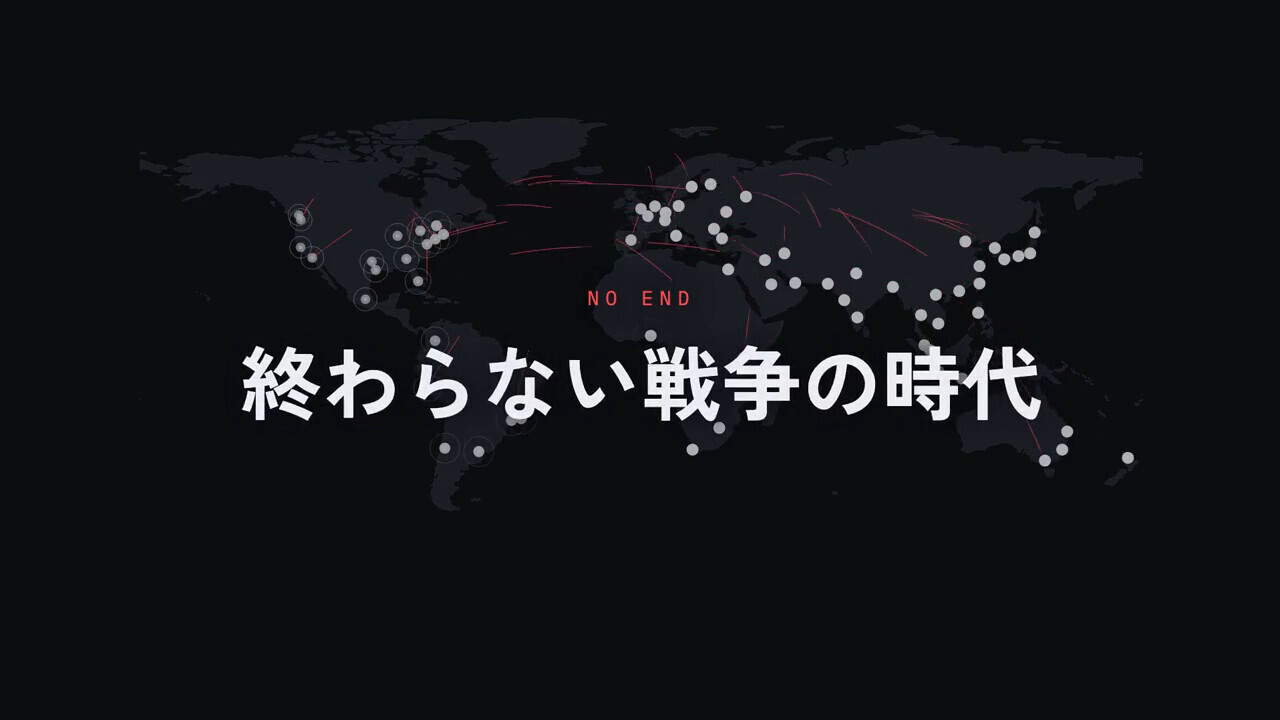
AI changed the attacks. This war has no end
What changed the attacks was AI. In one attack, AI carried out 80 to 90 percent of the work on its own. In another case, a single stolen token led to administrator access to the cloud in about three hours.
A cyberwar straight out of the film Summer Wars has begun. There is just one difference from the film: this war has no end. This is the dawn of a new age of war.
Sources2
In one attack (by a group assessed as state-sponsored), AI carried out 80–90% of the work autonomously
Disrupting the first reported AI-orchestrated cyber espionage campaignAnthropic · 2025-11-13
A single stolen developer token led to cloud administrator privileges being taken in about three hours
Detecting and countering misuse of AI: September 2026Anthropic · 2026-09
From intrusion to spreading to another machine inside the company
Intrusions by financially motivated criminals (eCrime), 2025
27 sec
Fastest
29 min
Average
04The defenders’ clock
From intrusion to spread: 29 minutes on average, 27 seconds at the fastest. Attacks don’t wait for people to decide
Are defenders keeping up? From intrusion to spreading to another machine inside the company takes 29 minutes on average — 27 seconds in the fastest case. Eighty-eight percent of security professionals say they have experienced a serious incident because of a shortage of people or skills. Attacks don’t wait for people to notice, gather and decide.
Sources2
From intrusion to spreading to another machine inside the company: 29 minutes on average, 27 seconds at the fastest (2025)
2026 Global Threat ReportCrowdStrike · 2026-02-24
88% of security professionals experienced a serious incident at least once a year because of a shortage of people or skills
2025 Cybersecurity Workforce StudyISC2 · 2025-12-04
05Publishing a fix reveals the weakness
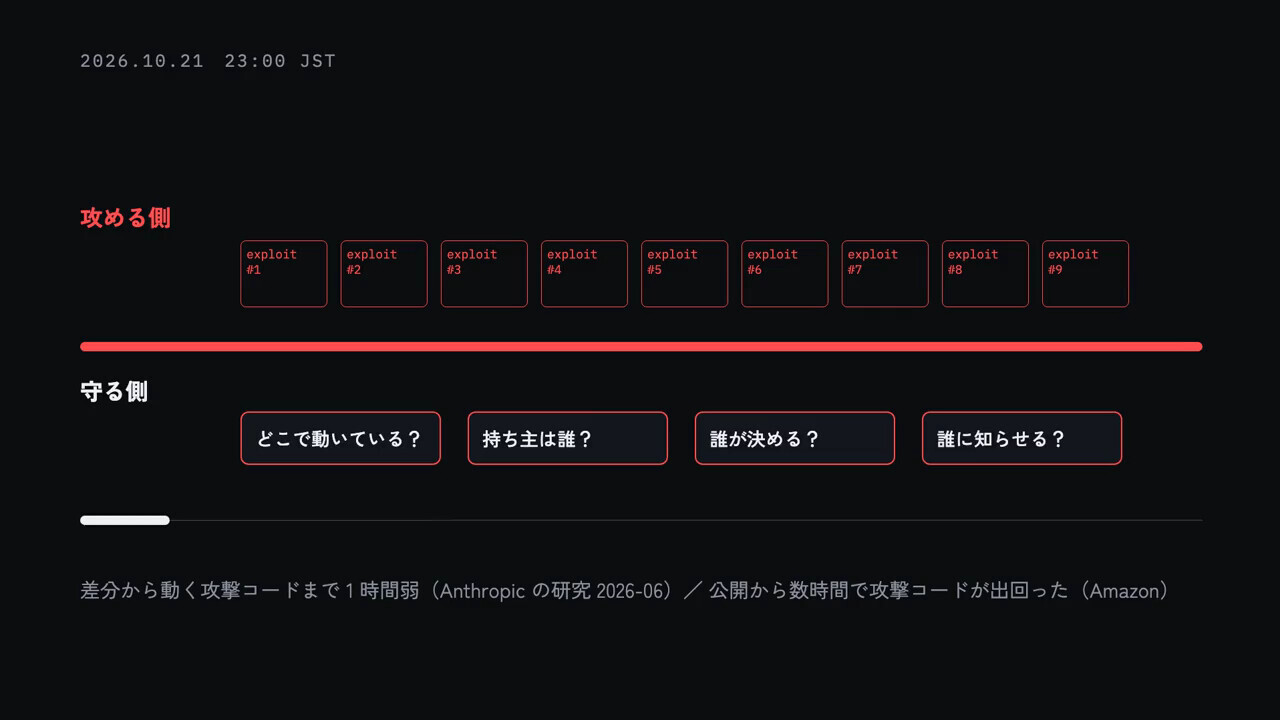
Within hours of the release, exploit code was circulating, and defenders began searching for where PHP was running
Back to the night of October 21. Publishing a fix also tells the world where the weakness is. Research shows that with AI, working exploit code can be built from the diff of a fix in under an hour. This time, too, exploit code began circulating one after another within hours of the release. At that moment, the first thing defenders do is look for where in their own company PHP is running.
Sources2
When AI was given the diff of a fix, it produced its first working exploit code in under an hour (research under lab conditions)
Measuring LLMs' impact on N-day exploitsAnthropic Frontier Red Team · 2026-06-08
With this PHP release, exploit code appeared one after another within hours of the fix being published
Amazon Threat Intelligence identifies PHP2Shell exploitation prior to public disclosure in MadPotAmazon Threat Intelligence (AWS Security Blog) · 2026-10-21
06Defense comes down to six functions
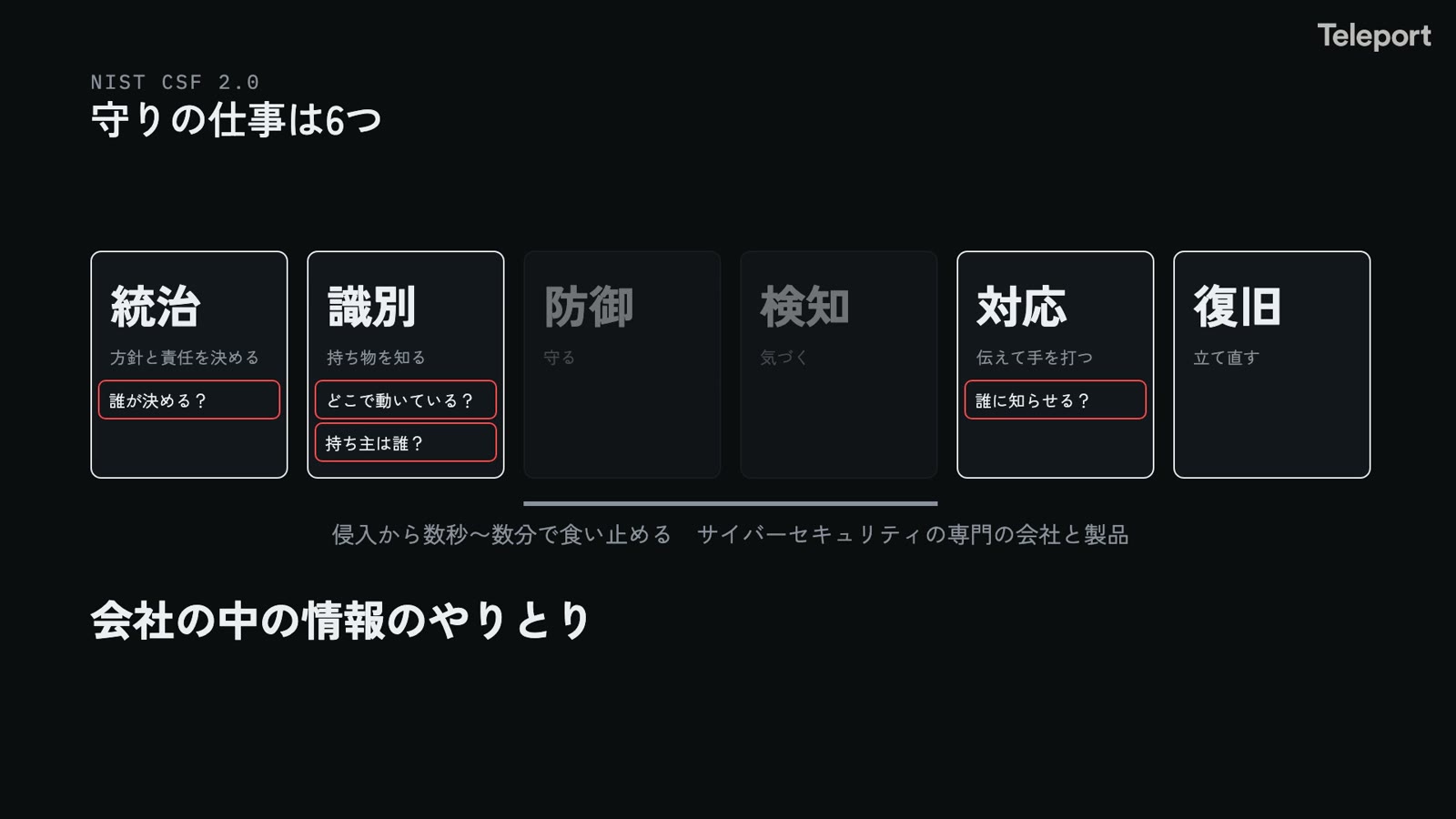
Protect and Detect go to specialists. The other four are about how information moves inside the company
Where is it running? Who owns it? Who decides what to fix first, and who needs to be told? Neither firewalls nor detection products can answer these questions.
The NIST Cybersecurity Framework makes this clear. Defense consists of six functions: Govern, Identify, Protect, Detect, Respond and Recover. Protect and Detect are about stopping an intrusion the moment it happens, within seconds to minutes. That is the job of specialist cybersecurity companies and their products. The questions defenders face on the night a PHP fix is published lie with the other four: knowing what you have, who decides, who to tell, and how to recover. That is the flow of information inside the company itself.
Sources1
Under the NIST Cybersecurity Framework, defense consists of six functions: Govern, Identify, Protect, Detect, Respond and Recover
The NIST Cybersecurity Framework (CSF) 2.0 (NIST CSWP 29), Japanese translationNIST (Japanese translation: IPA) · February 26, 2024
07The whole picture is nowhere
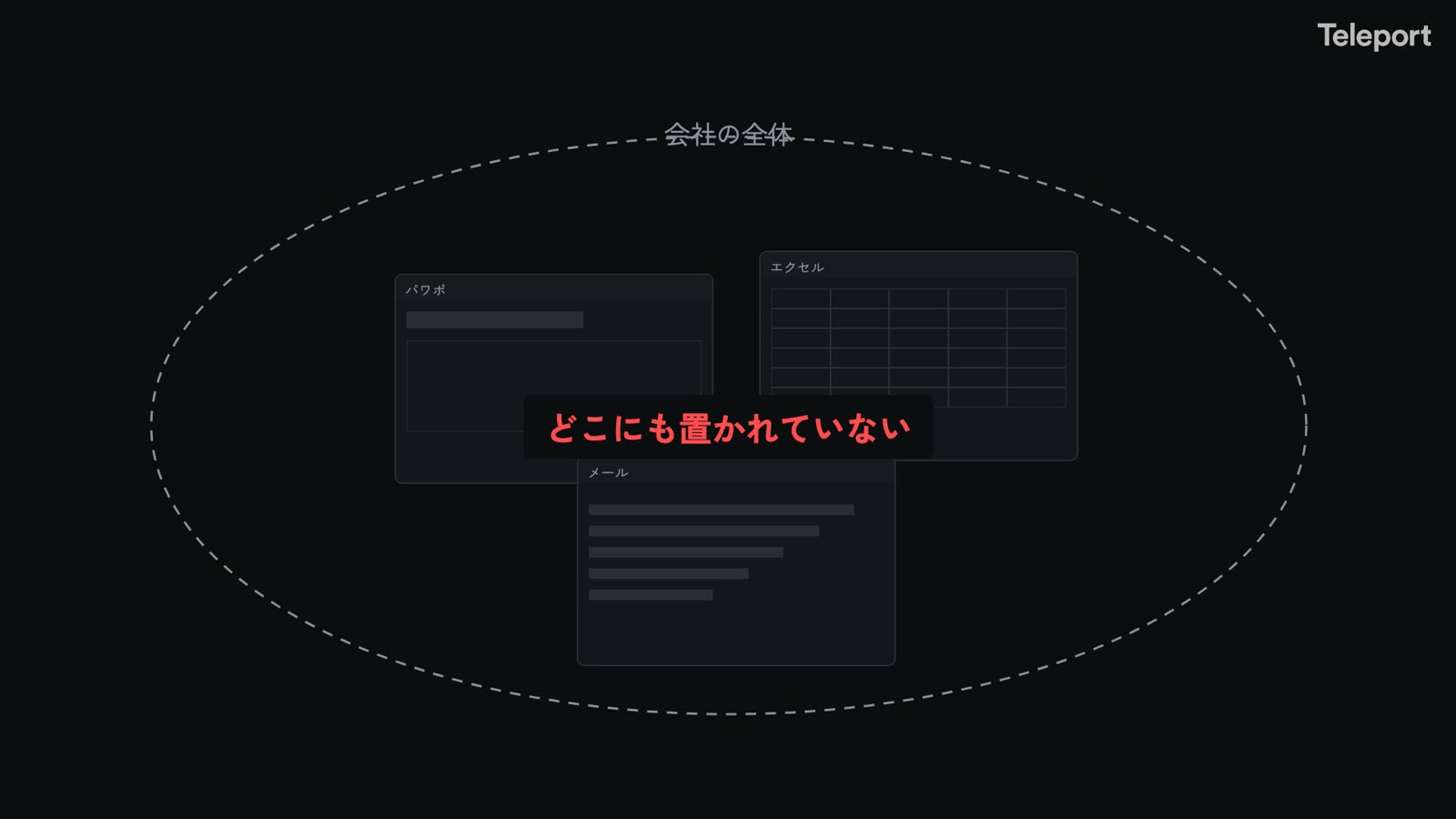
PowerPoint, Excel and email are fragments. The whole company is kept nowhere
Many companies still run this flow of information on PowerPoint, Excel and email. Each one is a piece of the whole company, written out for somebody. But the whole itself is kept nowhere. So even on the night the PHP fix was published, defenders start by gathering spreadsheets and emails from all over, just to find out where PHP is running.
Adding dashboards or BI doesn’t remove this searching. They show only part of the numbers. The company as a whole has already grown beyond what a person can take in at once.
Part 2
Holding the whole company in a CITY
08A format called CITYTeleport’s initiative
From here on, this is about a system (CITY) that Teleport is testing in-house.
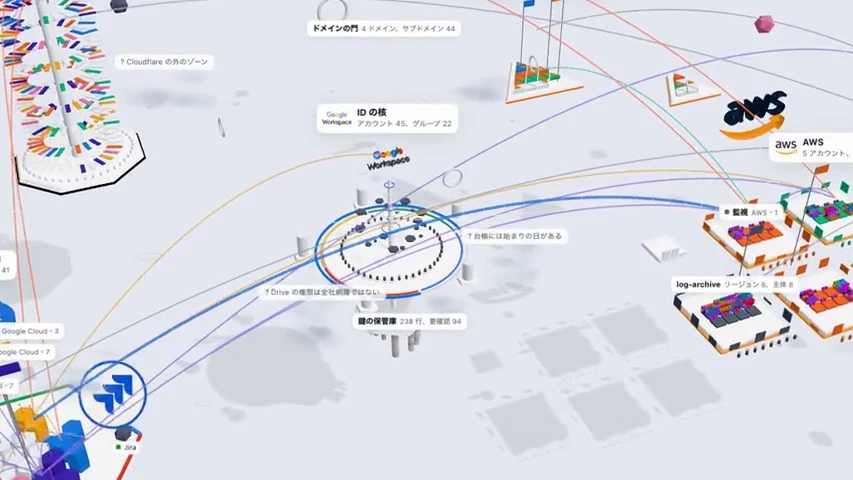
CITY holds the whole company in one format and keeps showing it as it moves
What’s needed is a way to hold the whole company in one format and keep watching it as it moves. In the Data is CITY project, we call that format CITY.
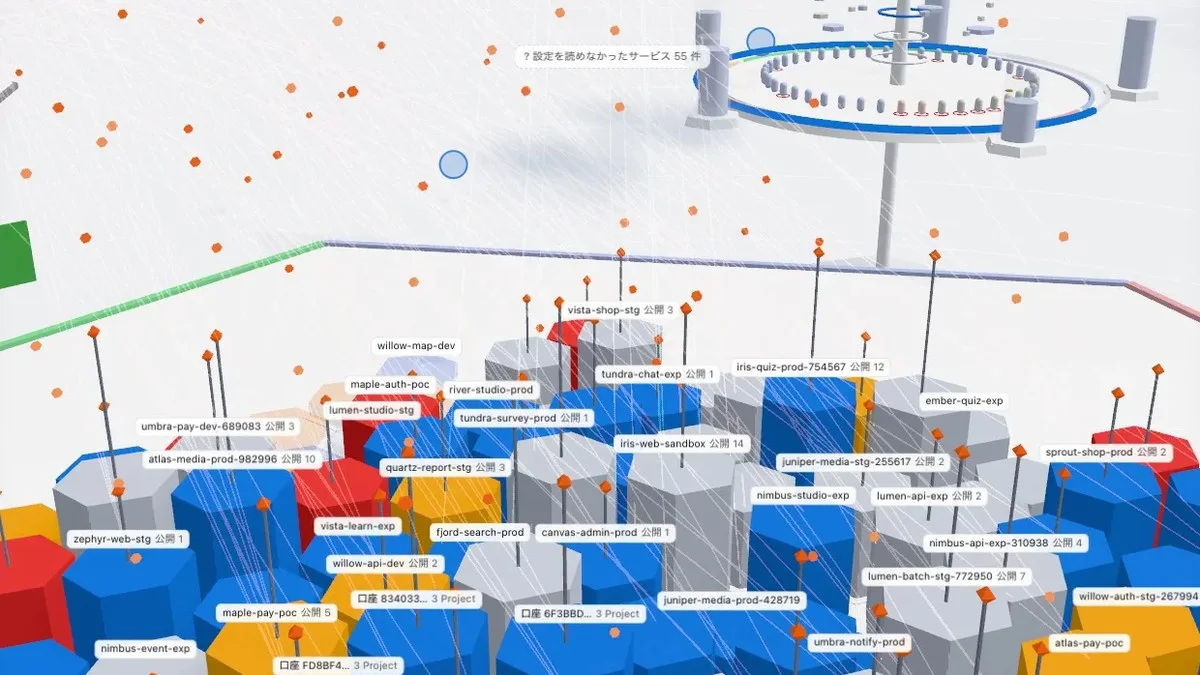
Systems, data, accounts and permissions, outside connections, owners, and even the reasons behind each decision. Everything goes into a single CITY. From it, you can write out what each audience needs: material for decisions for management, procedures for the front line, the scope of impact for business partners. The CITY viewer turns each of the company’s services and databases into a building and lays them out like a city in 3D. Just like a city-building simulation game, you zoom out and in, and it keeps showing how the whole thing moves at a glance.
09AI agents keep the CITY currentTeleport’s initiative
AI agents redraw the CITY every day, and people make the decisions on top of it
What can keep a CITY up to date every day is not people, but AI agents. Cloud, code, business tools, domains, accounts and permissions. AI agents reread the settings and ledgers and keep redrawing the CITY. A newly opened entrance to the outside, or permissions left behind by someone who has left, show up in the viewer that same day. AI agents keep the whole picture that people could never maintain by hand, and people make the decisions on top of it.
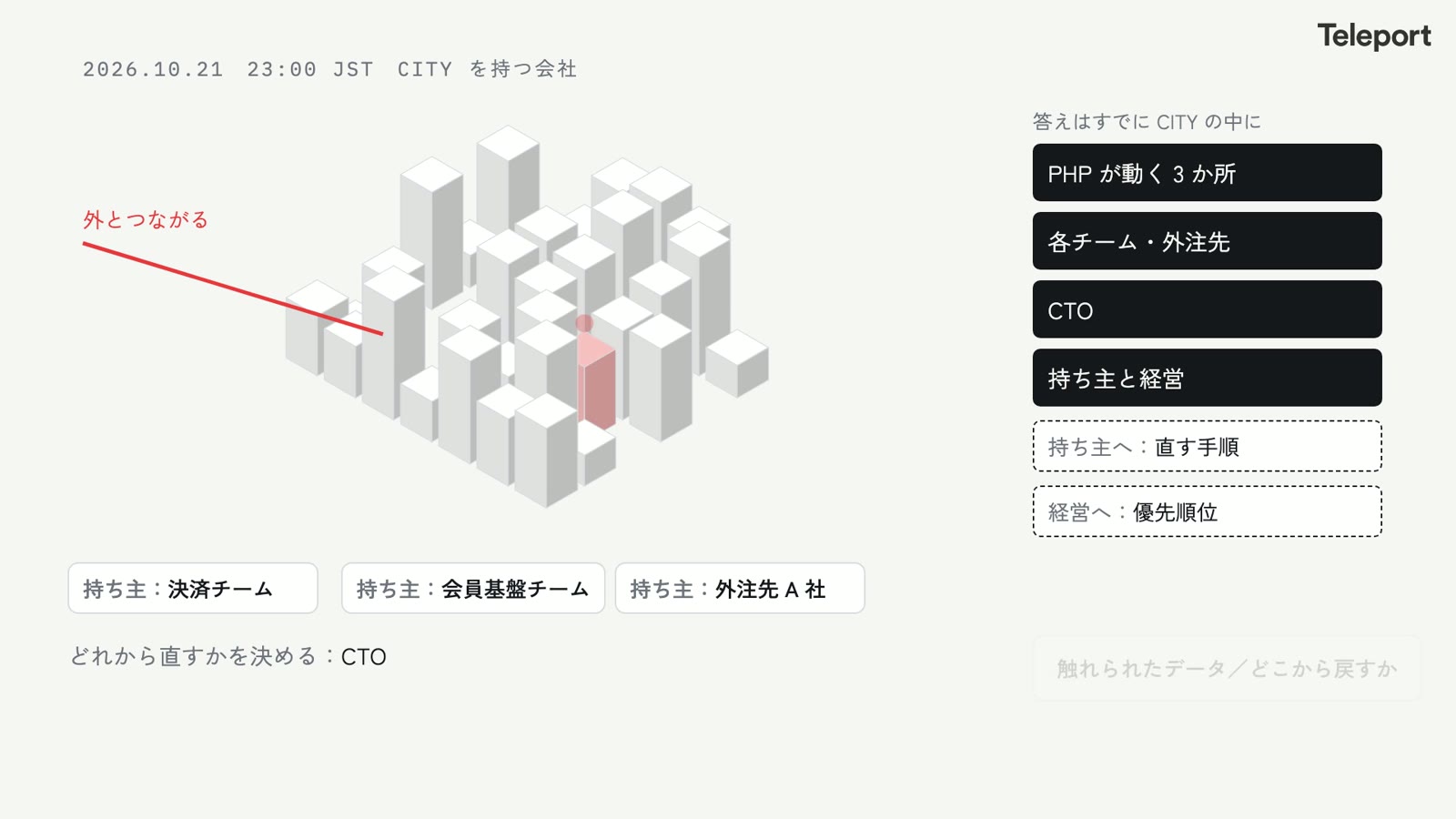
10Replaying the night of October 21Teleport’s initiativeScenario: replaying the night of October 21 at a company that has a CITY
A company with a CITY can find what needs fixing that same night
Let’s replay 11 p.m. on October 21 once more, this time at a company that has a CITY.
When the fix is published, AI agents search the CITY and flag the systems running PHP. Which ones are connected to the outside? Who owns them? Who decides what to fix first? The answers are already in the CITY.
AI agents write up procedures for the owners and priorities for management and deliver them, and people decide the order and make the fixes. As each one is fixed, AI agents verify it again and its flag disappears. Even if an attack has already gotten in, you can decide on the same CITY which data was touched and where to restore from.
No need to gather spreadsheets and emails. That same night, you can get all the way to what needs fixing.
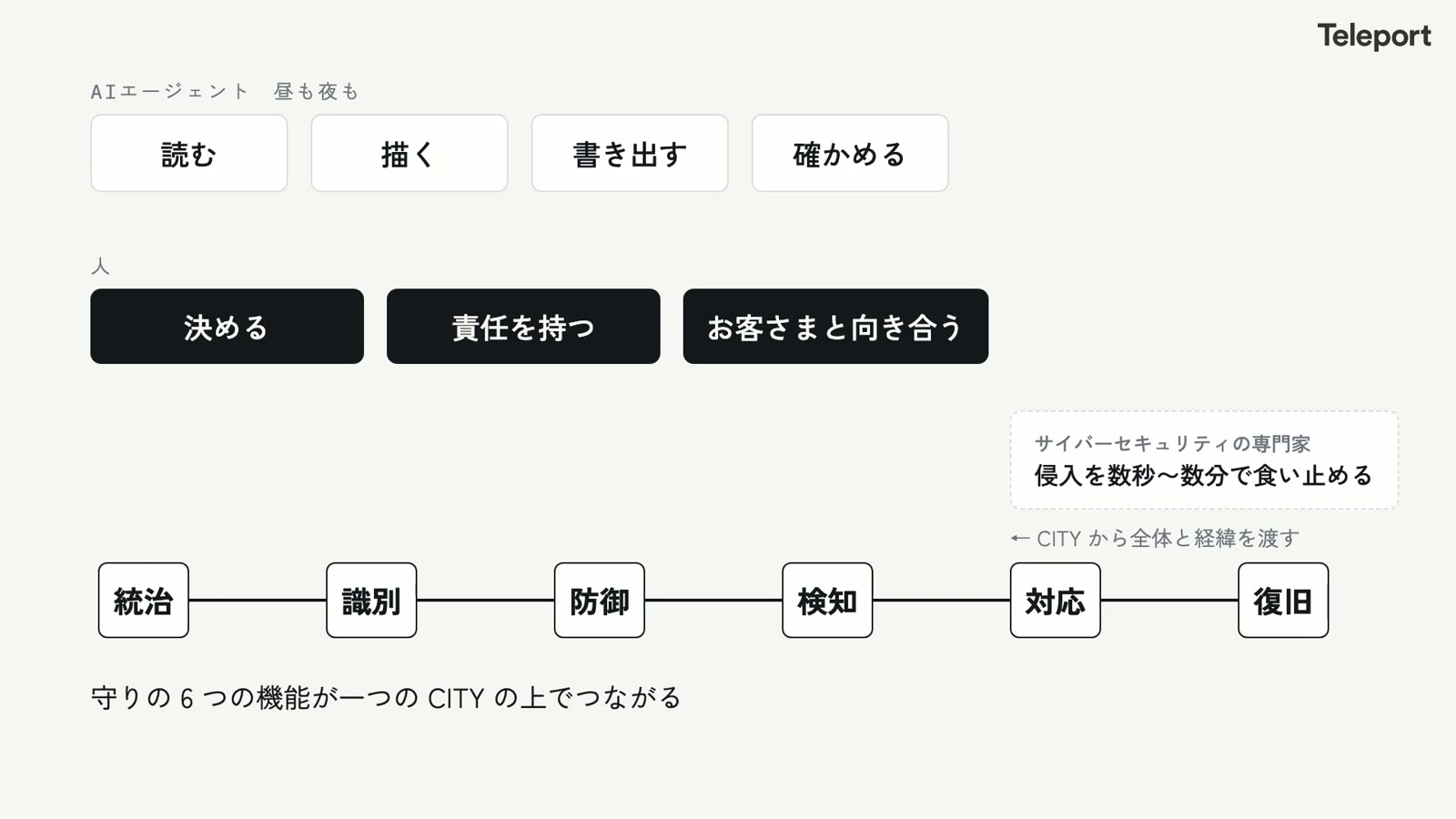
11A team of people and AI agentsTeleport’s initiative
AI agents read, draw and verify; people decide and take responsibility
AI agents read, draw, write up and verify, day and night. People decide, take responsibility and face the customers. Stopping intrusions within seconds to minutes remains, as before, the job of cybersecurity specialists, and CITY gives those specialists the whole picture and the history. The six functions of defense connect on a single CITY.
12Teleport’s CITYTeleport’s initiative
Since August 2026, Teleport has been turning its own company into a CITY
Since August 2026, Teleport has been turning its own company into a CITY. The AI agents’ inventory turned up unused public entrances, permissions still held by people who had left, and notification routes that reached no one. We closed them one by one, recording why.
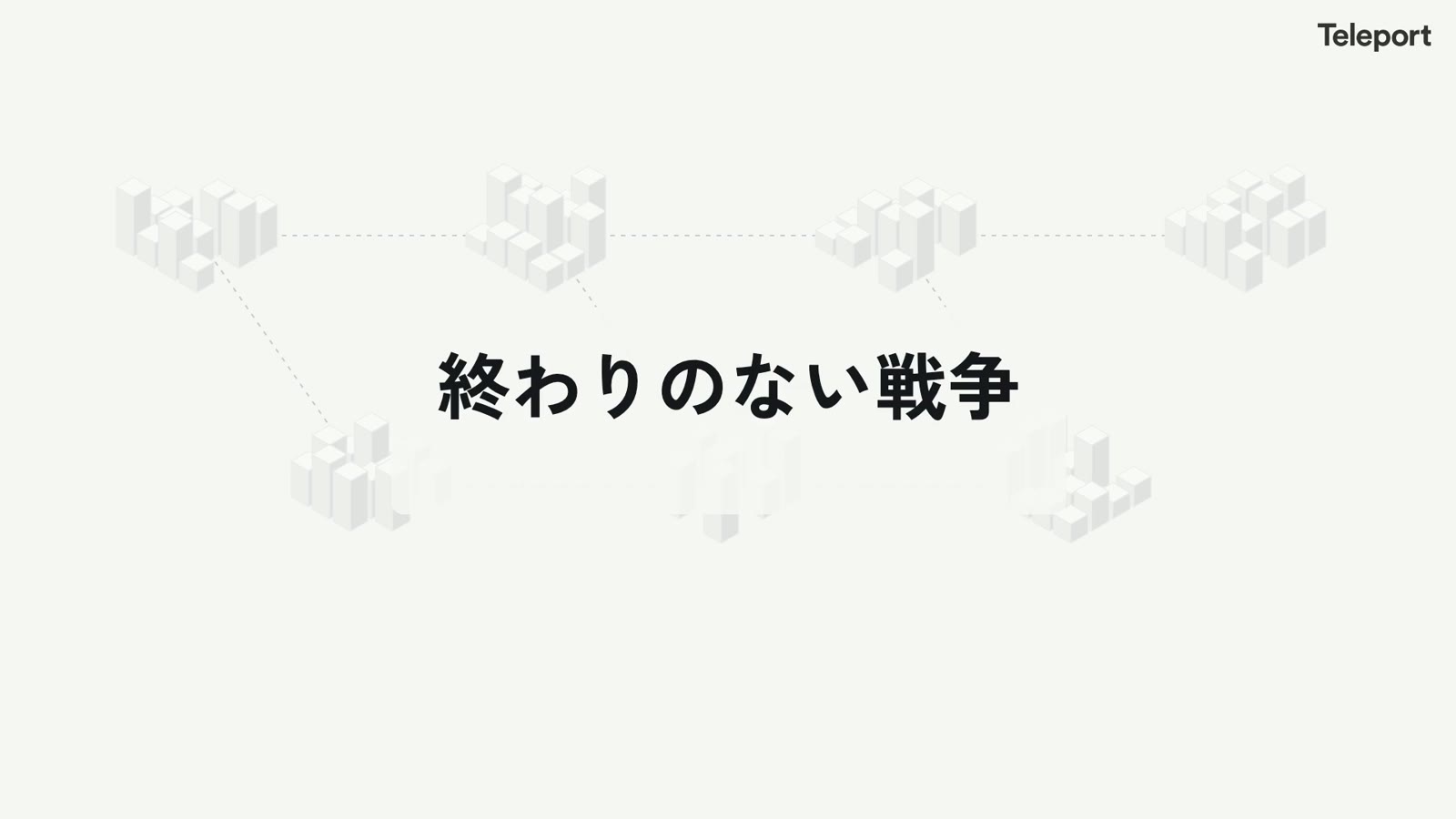
13A war without end
How will we protect our important data, our customers and our colleagues?
Neither vulnerabilities nor damage stop at the walls of a single company.
Attackers are using advances in AI to speed up their attacks even further. Defenders who rely on people alone can no longer keep up.
And this cyberwar has no end. AI’s progress won’t wait for us. How will we protect our important data, our valued customers and our colleagues? Let the PHP cyberattack be the moment you start thinking about it.
Film and narration: Teleport Inc. (narrated by Gaku Noguchi). Sources for figures and events are listed under “Sources” in each scene. “Editor’s notes” are qualifications and additions that the Data is CITY Media editorial team made to the film’s narration (the narration text follows the film).
What to check at your company
Put in your own company’s terms, the film’s questions look like this.
- Where PHP is running (website, inquiry and booking forms, internal systems)
- Who owns each one (the person in charge)
- Who decides whether to fix or shut down
- Who needs to be told (internal staff, customers, business partners)
- Whether accounts of people who have left are still around
- Whether there are unused public entrances (old pages, servers set up for testing)
Questions for your web developer and hosting provider
- Does our site use PHP? If so, which version?
- Have we updated to the October 21 fixed releases (8.2 and later)? If we’re on 8.1 or earlier, what will we do?
- Have we checked our logs from October 17 onward for suspicious access?
Terms used in this article
- Vulnerability
- A weakness in software. If exploited, it can let someone control a system from outside or steal information
- Fixed version (patch)
- A new version with the weakness fixed. The weakness remains until the patch is applied (the software is updated)
- Authentication
- Confirming “who” someone is, for example by logging in. “Without authentication” means from outside, without logging in
- Token
- A string used in place of logging in, a bit like a password. If stolen, someone can pose as its owner
- Administrator privileges
- Powerful privileges that allow anything, from changing settings to deleting data
- Exploit code
- A program for actually exploiting a weakness. Code made for testing is called a PoC (proof of concept)
- Fix diff
- What changed in a program between before and after a fix. It gives clues to where the weakness is
- BI / dashboards
- Tools that show a company’s numbers as graphs and the like
- Format / viewer
- A fixed form for writing data, and a tool that draws it on screen. CITY draws it as a 3D city
- AI agents
- An AI that takes instructions and carries out tasks such as researching, writing and checking, working out the steps on its own
- The six functions (NIST CSF 2.0)
- Govern (policy and responsibility), Identify (what you have), Protect (safeguards and updates), Detect (noticing anomalies), Respond (what to do when something happens), Recover (restoring operations)